

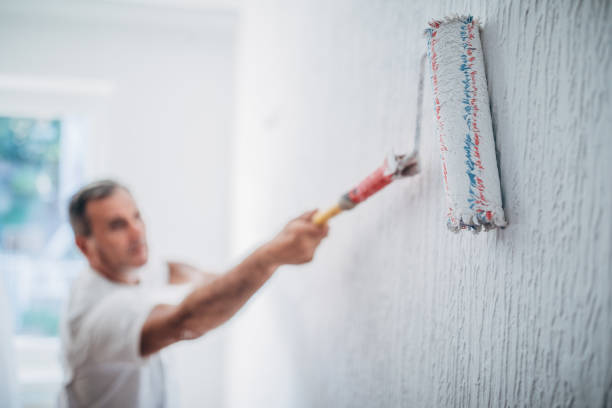
The frequency of repainting your house’s interior depends on several factors, such as the type of room, paint quality, and environmental conditions. While some spaces might require more frequent touch-ups, others can retain their appearance for years when maintained properly. Below is a detailed guide to help you determine how often you should refresh and repaint your home’s interior.
General Guidelines for Repainting
- Living Rooms and Dining Rooms: These areas are typically low-traffic zones with minimal exposure to wear and tear. High-quality paint in these rooms can last anywhere from 5 to 7 years before needing a refresh. However, if the walls show signs of fading or scuff marks due to furniture movement, earlier repainting may be required.
- Kitchens and Bathrooms: Kitchens are prone to grease stains, food splatters, and smoke residues, while bathrooms face high humidity levels that can lead to mold or peeling paint. Both spaces should ideally be repainted every 3 to 4 years using durable, washable paints.
- Bedrooms: For adult bedrooms with lower activity levels, repainting every 5-7 years is sufficient. Children’s bedrooms might require more frequent updates (around every 2-3 years) due to increased wall markings or potential damage caused by playtime.
- Hallways and Corridors: These high-traffic areas endure constant contact with people moving through them. Repainting hallways every 2-3 years helps maintain a clean and polished look.
Factors Influencing Repainting Frequency
- Higher-quality paints contain better pigments and binders that contribute to longer-lasting results.
- Premium finishes like satin or semi-gloss are easier to clean and more resistant to stains compared to matte finishes.
- Larger households or homes with pets may experience faster wear on walls due to increased activity.
- Smokers inside the home can cause discoloration over time that necessitates earlier touch-ups.
- Direct sunlight exposure fades paint colors faster in well-lit rooms or spaces near large windows.
- Using UV-resistant paint can slow down discoloration caused by sunlight.
Signs It’s Time for a Refresh
| Signs | Description | Action Needed |
| Peeling Paint | Indicates moisture damage or improper application | Repair surface & repaint |
| Faded Colors | Caused by sunlight exposure over time | Refresh with UV-resistant paint |
| Visible Cracks | Results from structural shifts in walls or poor paint adhesion | Sand cracks & repaint |
| Stains/Marks That Don’t Wipe Off | Common in kitchens & hallways due to heavy use | Opt for durable coatings |
Refreshing your home’s interior doesn’t just enhance its visual appeal; it also protects surfaces from long-term damage while creating a more comfortable living environment. Proper planning around when specific areas need attention ensures your home maintains its charm year-round while avoiding unnecessary costs down the road.
How Florida painters consider room usage to enhance paint longevity
The longevity of interior paint can vary widely depending on how each room is used and the level of wear and tear it experiences. By evaluating room usage, you can better determine when repainting is necessary and choose paints that stand up to the specific demands of your living spaces. Below, we break down how different types of rooms impact paint longevity and what you should consider for long-lasting results.
Top Tips for House Painters Florida to Transform High-Traffic Areas
Rooms with high foot traffic or frequent activity are more prone to wear, such as scuff marks, stains, or fading.
These include:
– Hallways: Constant movement through hallways can lead to chipped or damaged walls over time due to accidental bumps or furniture placement.
– Living Rooms: Hosting family gatherings or daily activities often exposes paint to dirt and oils from hands touching walls.
– Kitchens: The presence of heat, grease, food splatters, and moisture in kitchens can quickly degrade wall paint.
Tip for Longevity: Use durable, washable paints with a higher gloss finish (e.g., satin or semi-gloss) in these areas. These finishes resist stains better and are easier to clean.
Best Painting Services Florida Offers for Low-Traffic Rooms
Certain spaces see significantly less use, which helps preserve the condition of their painted surfaces:
– Guest Bedrooms: Since these rooms are used occasionally, their walls typically retain their original appearance for longer periods.
– Storage Rooms: Minimal interaction with these areas ensures reduced risk of damage to wall surfaces.
Tip for Longevity: For these rooms, matte finishes can work well as they provide a softer aesthetic while still offering adequate durability when applied properly.
Interior & Exterior Painting Florida for Unique Spaces
| Room Type | Environmental Factors | Recommended Paint Features |
| Bathrooms | High humidity levels | Moisture-resistant or mold-resistant paints |
| Kitchens | Heat and grease exposure | Scrubbable finishes like semi-gloss |
| Sunrooms | Prolonged sunlight exposure | UV-resistant paints |
Tip for Longevity: Consider applying a primer before painting these spaces to enhance adhesion and durability while protecting against environmental challenges.
Children’s Rooms and Play Areas
Kids’ rooms are subject to crayon marks, scratches, spills, and general rough treatment. Paint in these areas may wear out faster if not chosen wisely.
Look for paints that are:
– Washable
– Stain-resistant
– Low-VOC (for improved indoor air quality)
You might also consider using chalkboard paint on one wall for added functionality.
How Room Usage Influences Repainting Timelines
Understanding how a room is used helps inform how often it needs repainting:
1. High-Traffic Areas: Repaint every 2–3 years for maintained appearance.
2. Low-Traffic Rooms: These may only need updating every 5–7 years unless aesthetics change.
3. Special Condition Spaces (Bathrooms/Kitchens): Assess every 3–4 years due to environmental wear.
4. Children’s Playrooms/Bedrooms: Inspect regularly but aim to repaint after 3–5 years as kids grow out of designs or themes.
By factoring in room usage patterns when assessing your home’s interior painting needs, you’ll maintain a fresh look while optimizing both time and resources effectively.
Key Indicators That It’s Time to Repaint Your Space
Repainting your interior walls is not just about maintaining aesthetics; it also helps protect your home and maintain its value. Over time, paint can show wear and tear, signaling that it’s time for an update. Below are the primary indicators that your interior spaces need repainting, along with practical tips to guide your decision-making process.
1. Visible Signs of Wear and Tear
- Cracks or Peeling Paint: These often occur when paint has aged significantly or been exposed to moisture, especially in bathrooms or kitchens.
- Faded Colors: Sunlight and UV rays can cause colors to lose their vibrancy over time, particularly in rooms with large windows or direct light exposure.
- Stains or Smudges That Don’t Clean Easily: High-traffic areas like hallways, staircases, and kids’ bedrooms often develop marks that cleaning cannot fully resolve.
2. Outdated Color Scheme
Interior design trends evolve frequently, and colors that once felt fresh may now feel outdated. If you’ve recently updated furniture, purchased new decor, or simply want a change in atmosphere, repainting can harmonize your space with modern aesthetics.
3. Damage from Moisture or Mold
- Look for water stains on ceilings or walls.
- Keep an eye out for bubbling paint caused by trapped moisture.
- Address any signs of mold growth immediately by repainting with mold-resistant paints after resolving the underlying issue.
Checklist: When Is It Time to Repaint?

| Indicator | Description | Action Needed |
| Cracks/Peeling Paint | Paint is flaking off walls in patches | Remove old paint layers before repainting |
| Fading Colors | Walls appear dull compared to original color | Opt for UV-resistant paints |
| Persistent Stains | Fingerprints/stains cannot be removed by cleaning | Use a durable finish like satin/semi-gloss |
| Water Damage | Discoloration/bubbling caused by leaks | Repair damage before painting |
4. Preparing for Life Changes
- Preparing a Nursery: A calming color palette can create a serene space for a new baby.
- Selling Your Home: Neutral tones appeal to potential buyers and add value to your property during resale preparations.
5. The Impact of Time
- Living Rooms & Bedrooms: Repaint every 5–7 years as these rooms experience light usage.
- Kitchens & Bathrooms: High humidity levels mean these spaces may need attention every 3–4 years.
- Hallways & Entryways: Due to heavy traffic and scuffs, refresh these spaces every 2–3 years.
Taking note of these indicators will help ensure your home always looks polished while protecting its surfaces from wear over time.
Exploring the Impact of Paint Quality and Proper Application Techniques
When it comes to painting your interiors, the quality of the paint and the way it is applied have a significant impact on both the appearance and durability of the finished result. Investing in superior materials and proper techniques ensures that your space looks polished while extending the life of your paint job.
The Importance of Paint Quality
High-quality paint offers several benefits over its low-cost alternatives:
– Enhanced Durability: Premium paints are formulated to resist wear and tear, making them ideal for high-traffic areas.
– Better Coverage: Quality paints often require fewer coats, reducing labor time and overall costs in the long run.
– Fade Resistance: Superior paints maintain their color vibrancy longer, even when exposed to sunlight or environmental factors.
– Ease of Maintenance: High-grade paints are easier to clean without damaging the surface, especially those with washable or scrubbable finishes.
Types of Paint Finishes
| Finish Type | Best For | Characteristics |
| Matte/Flat | Ceilings, low-traffic rooms | Non-reflective; hides imperfections well |
| Eggshell | Living rooms, bedrooms | Slight sheen; easy to clean |
| Satin | Kitchens, bathrooms | Subtle shine; moisture-resistant |
| Semi-gloss | Trim, doors | High sheen; very durable |
| High-gloss | Accent pieces | Extremely reflective; provides a polished look |
Proper Application Techniques
- Clean walls thoroughly to remove dust, dirt, or grease.
- Repair cracks or holes with spackle and sand for a smooth surface.
- Apply primer if necessary (especially for new drywall or drastic color changes).
- Use high-quality brushes for detailed work like trim or corners.
- Opt for rollers with appropriate nap sizes depending on wall texture.
- Cut in edges first using a brush before filling larger areas with a roller.
- Apply thin coats instead of thick layers for better drying and reduced drips.
- Allow adequate drying time between coats as recommended by the manufacturer.
- Keep windows closed during initial drying to avoid airborne debris settling on wet paint.
- Consider dehumidifiers in humid climates to ensure proper curing.
Common Mistakes to Avoid
To achieve professional results, it’s essential to steer clear of these common errors:
– Skipping primer when needed.
– Using incorrect tools (e.g., rollers with excessive nap can cause uneven textures).
– Failing to mix paint properly before use.
– Rushing through layers without allowing adequate drying time.
By prioritizing high-quality materials and adopting effective application practices, you can create an aesthetically pleasing space that stands the test of time while reducing maintenance efforts down the road.
Steps to Schedule a Consultation with a Trustworthy Painting Company
1. Research Local Painting Companies
Begin by identifying reputable painting companies in your area. Use resources like:
– Online directories: Platforms such as Google My Business, Yelp, or Houzz provide reviews and ratings for local businesses.
– Word of mouth: Ask friends, family, or neighbors for recommendations based on their experiences.
– Social media: Many companies maintain active profiles showcasing their work portfolios and customer feedback.
2. Verify Credentials and Experience
Once you have identified potential candidates, take time to verify their credentials. Look for:
1. Licensing and insurance: Ensure the company is licensed to operate in your state or region and carries adequate liability insurance.
2. Experience: A well-established company with several years in business often delivers higher-quality services compared to newer firms.
3. Certifications: Check if they have certifications from reputable organizations such as the Painting Contractors Association (PCA).
3. Review Portfolio and References
A trustworthy painting company should be willing to share examples of past projects that align with your needs. Request access to their portfolio or project galleries on their website/social media platforms and ask for references from previous clients.
When speaking with references, consider asking questions such as:
– Were deadlines met?
– How satisfied were you with the quality of work?
– Were there any unexpected issues, and how were they resolved?
4. Schedule Initial Consultations
Contact at least three companies to schedule consultations so you can compare them objectively before making a decision.
During the consultation:
1. Share specific details about your project—room dimensions, color preferences, desired finishes.
2. Ask about estimated timelines.
3. Discuss budget expectations upfront.
Use this meeting not only as an opportunity for information gathering but also to assess professionalism—did they arrive on time? Did they answer all questions clearly?
5. Request Detailed Quotes
After consultations are conducted:
– Collect written estimates detailing labor costs (hourly rates), material expenses (type/brand-quality paints used).
- Interior vs. Exterior Painting: How Florida Painters Highlight the Key Differences and Benefits
- Key Factors to Consider for Interior & Exterior Painting Florida and How Often to Repaint
- How Often Should You Refresh and Repaint Your House Interior with a Painting Company Florida
- How Often Should You Hire a Painting Company Florida to Keep Your House Looking Fresh
- Key Differences Between Interior and Exterior Paint Explained by House Painters Florida
- A Smart Homeowner’s Guide to Long-Lasting Paint and Professional Results
- Key Differences Florida Painters Consider Between Interior and Exterior House Painting